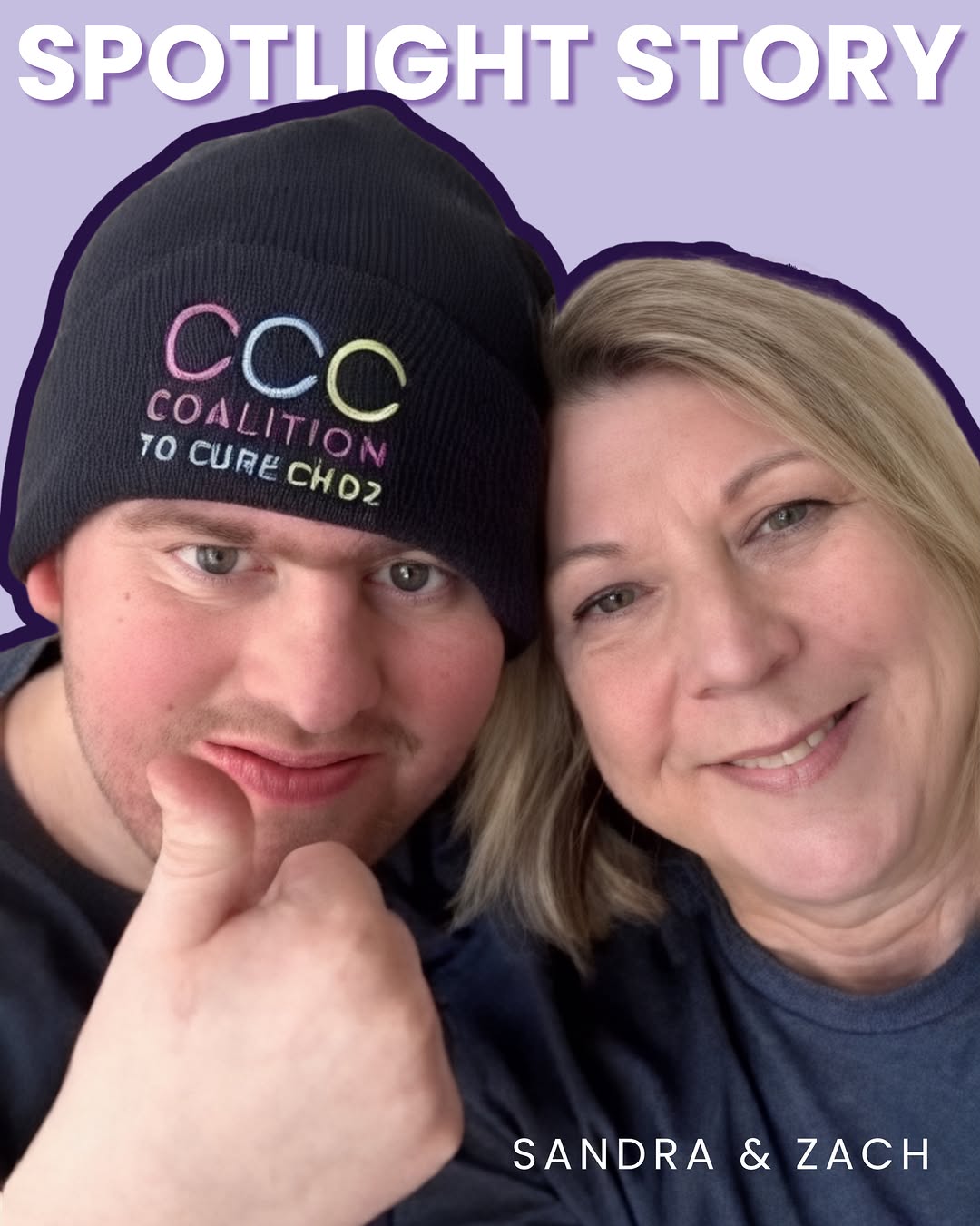
Our oldest son was born with developmental differences 25 years ago. We knew early that something wasn't typical, but it took 18 years to receive a diagnosis.
In Ontario, that meant no diagnosis, no meaningful support.
When Zach was finally diagnosed with a CHD2-related disorder at age 18, we felt relief. We finally had answers. But the diagnosis didn't unlock care.
CHD2-related syndrome is a complex, lifelong condition that can include epilepsy, autism, intellectual disability, and developmental delays. Yet when Zach transitioned to adult care, the support system disappeared. No coordinated team. No roadmap. No one accountable.
Then came a crisis. A dermatological treatment triggered a severe psychiatric reaction that persists today. Memory loss. Cognitive decline. Symptoms now resemble dementia more than autism.
And there is nowhere to turn. No specialist pathway. No integrated care. No guidance. Just silence.
Families living with rare diseases are too often left navigating trial-and-error treatment, managing symptoms, and making impossible decisions without support.
Meanwhile, research is advancing. New discoveries and targeted therapies are on the horizon. But innovation means little if patients cannot access it.
We need coordinated care across the lifespan, integration of genomic diagnosis into care pathways, faster access to treatments, and support that doesn't disappear at age 18.
Because rare does not mean invisible. Ontario can do better. And for families like ours, it must.